




Slow Healing Wounds from PAD – Diagnosis & Treatment in New York City

Treatment for Slow Healing Wounds in NYC: A Common Sign of PAD
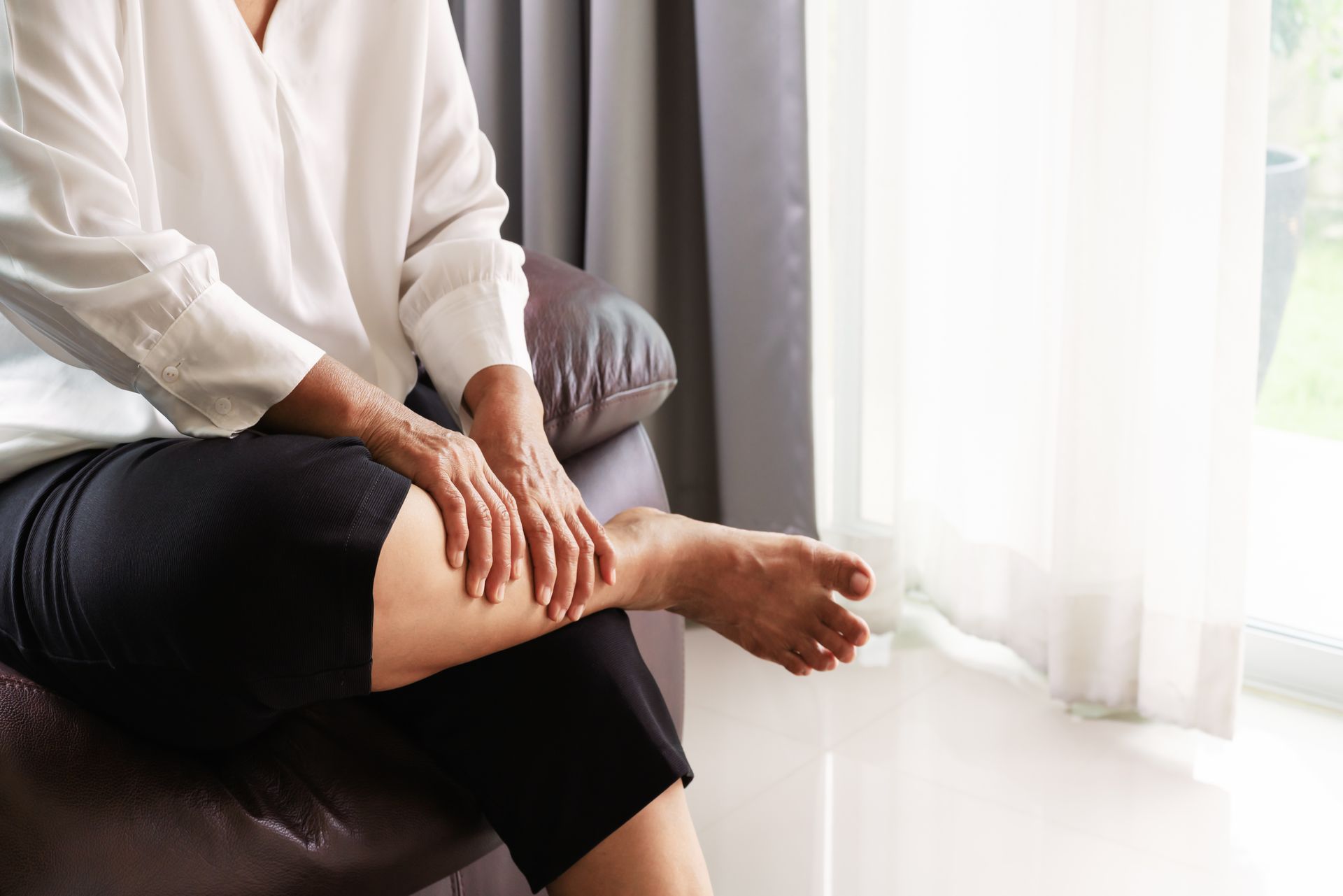
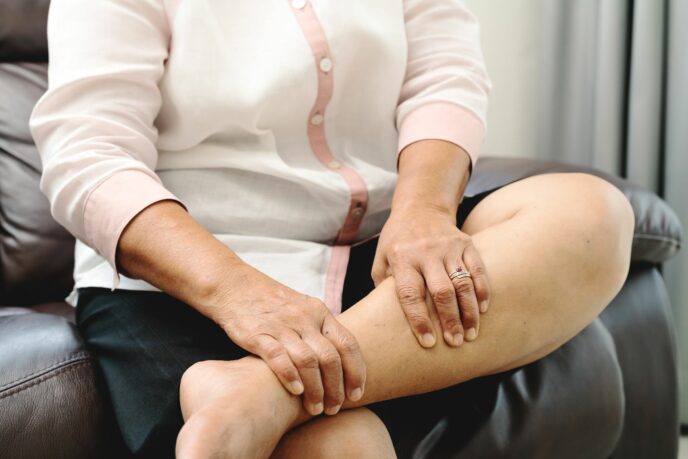
Slow-healing wounds on the legs or feet are one of the most serious warning signs of peripheral artery disease (PAD), especially for people living with diabetes or other circulation problems in New York City. A small cut, blister, or sore that doesn’t heal or keeps reopening may be a sign that enough oxygen-rich blood isn’t reaching the area to support proper healing.
When circulation is reduced, even a minor injury to the toes, heels, or ankles can become a stubborn wound or ulcer that lingers for weeks or months. If you’ve ever wondered, “When should I worry about a slow-healing wound?” The answer is sooner rather than later. If a wound on your left leg, right leg, or foot isn’t improving with basic care, it’s important to be evaluated for PAD or another vascular condition.
While many people with PAD have few or no noticeable symptoms, slow-healing wounds should never be ignored. Without treatment, poor circulation can increase the risk of infection, tissue damage, gangrene, or even amputation. If you’ve had a wound on your toes, legs, or feet that hasn’t healed within one to two weeks, it may be a sign that you have PAD. Scheduling an appointment at one of American Endovascular’s affiliated vascular centers in Brooklyn, Harlem, or Queens can help determine whether PAD treatment is the right next step for you.
Symptoms of Slow Healing Wounds
Slow-healing wounds often begin as ordinary cuts, calluses, or pressure points but do not follow the normal healing process. Instead of shrinking and closing, they may remain open, deepen, or show signs of infection. These wounds are especially concerning when they appear on the toes, heels, or bony areas of the foot and ankle and may occur alongside other PAD symptoms, such as leg pain, numbness, or changes in skin color. Signs of a slow-healing wound may include:
- A sore or ulcer on the leg or foot that remains open for more than two weeks
- A wound that slowly grows larger instead of smaller
- Scabbing that repeatedly breaks down in the same area
- Drainage, odor, redness, or warmth around the wound
- Black or darkened tissue along the edges of the wound (a possible sign of tissue death)
- Pain, tingling, or numbness near the wound site
Causes of Slow Healing Wounds
Slow-healing wounds in the legs often develop due to a combination of poor circulation, nerve damage, and repeated pressure or skin injury. PAD is a major cause, as narrowed arteries limit the blood flow needed to deliver oxygen and nutrients for healing. Conditions such as diabetes, vein disease, and infections can also contribute. When blood flow and sensation are reduced, minor injuries may go unnoticed and become difficult to heal, leading to chronic wounds or ulcers. Common causes of slow-healing leg wounds include:
- Peripheral artery disease, which reduces blood flow to the legs and feet
- Diabetes and diabetic neuropathy, which damage nerves and blood vessels
- Chronic venous insufficiency and varicose veins
- Repeated pressure or friction from footwear or walking abnormalities
- Infections that develop in untreated or unnoticed wounds
- Smoking and high cholesterol, which accelerate blood vessel damage
How Does PAD Cause Slow Healing Wounds on Legs and Feet?
Peripheral artery disease causes slow-healing wounds by cutting off the steady blood flow your tissues need to repair themselves. In PAD, plaque builds up inside the arteries that carry oxygen-rich blood to your legs and feet. As these arteries narrow, less blood reaches the skin and underlying tissue, especially in areas farthest from the heart, such as the toes and heels. When you get a small injury, such as a blister from shoes, a nick from nail trimming, or a scratch you barely remember, your body normally rushes cells to fight infection and rebuild tissue. With PAD, that response is slowed or blocked.
Over time, a wound that should close within days or weeks remains open, deepens, or develops into an ulcer. Because many people with PAD also have diabetes or nerve damage, they may not feel pain in the area, allowing the wound to worsen unnoticed. Reduced circulation also means fewer white blood cells reach the wound, increasing the risk of infection and making it harder to control. If PAD is advanced and blood flow is severely limited, tissue can die, leading to blackened areas (gangrene) and a real risk of amputation. Treating PAD to restore circulation is essential not only to heal existing slow-healing wounds but also to prevent new wounds from forming and threatening limb health.

If you’re experiencing PAD symptoms in New York City or nearby, our vascular specialists can help identify the cause and give you relief from your symptoms.
PAD Treatment for Slow Healing Wounds in New York City
For people in New York City with slow-healing leg or foot wounds, getting immediate treatment is important. Treating the wound alone is often not enough, since the underlying circulation problem must be addressed to allow true healing and protect the limb. Minimally invasive, image-guided PAD treatments can open narrowed or blocked arteries, improve blood flow, and allow damaged tissue to recover. When combined with proper wound care, diabetes management, and healthy lifestyle changes, these treatments can lower the risk of infection, ease pain, and reduce the risk of amputation.
Angioplasty in NYC
Angioplasty is a minimally invasive procedure that uses a tiny balloon to gently widen narrowed arteries in the legs, improving blood flow to slow-healing wounds. Guided by real-time imaging, a vascular specialist threads a catheter to the blocked area and inflates the balloon to restore circulation. Better blood flow helps deliver oxygen and nutrients, so stubborn sores and ulcers can finally begin to heal.
Atherectomy in NYC
Atherectomy removes plaque buildup directly from the inside of diseased leg arteries. Using a specialized catheter with a cutting or shaving device, the physician carefully clears hard, calcified deposits that restrict blood flow. This approach is especially helpful when blockages are complex or resistant to balloon-only treatment. By restoring circulation more fully, atherectomy supports wound healing and helps prevent worsening tissue damage.
Stent Placement in NYC
Stent placement involves inserting a small mesh tube into a narrowed artery to hold it open after angioplasty or atherectomy. Once in place, the stent helps maintain improved blood flow over time, reducing the chance that the artery will narrow again. For patients with slow-healing wounds, a well-supported artery means more consistent circulation, better healing potential, and a lower risk of future ulcers.

What to Expect from Your PAD Treatment in NYC

Slow Healing Wounds from PAD Frequently Asked Questions
Slow-healing wounds in PAD happen because narrowed or blocked arteries reduce blood flow to the legs and feet. Without enough oxygen and nutrients, the body struggles to repair damaged skin, causing cuts, sores, or blisters to heal very slowly or not at all.
Yes, slow or non-healing wounds are a common sign of poor circulation and are often linked to PAD. If wounds on your legs or feet are taking longer than usual to heal, it’s important to have your circulation evaluated.
Yes, PAD can lead to ulcers, especially on the toes, feet, ankles, or lower legs. Poor circulation makes it difficult for skin to recover, allowing small wounds to develop into larger, open sores.
Without treatment, slow-healing wounds can turn into open sores or ulcers that are difficult to heal. These wounds are more prone to infection and, in severe cases, can lead to tissue damage or amputation.
A wound may not be healing properly if it hasn’t improved after a few weeks, continues to open or drain, becomes painful, or shows signs of infection such as redness, swelling, warmth, or odor. Any wound that worsens should be checked by a specialist.
You should see a wound doctor first if a wound on your leg or foot is not healing, is getting worse, or is accompanied by pain, discoloration, numbness, or swelling. Early treatment is especially important if you have diabetes or known circulation issues.

Schedule an Appointment at your nearest American Endovascular affiliated center.
Our Vascular Specialists in New York City
American Endovascular’s affiliated vascular specialists across New York City focus on identifying and treating peripheral artery disease in patients with slow-healing wounds. Using advanced imaging and minimally invasive techniques, they pinpoint circulation blockages and develop personalized treatment plans. Patients receive clear explanations, ongoing follow-up, and coordinated outpatient care with podiatrists and wound care specialists in NYC, giving each leg or foot wound the best possible chance to heal.




What Our Patients Are Saying


Recent Blogs & Videos
Learn more about vascular health, prevention, and care for Peripheral Artery Disease.




Schedule an Appointment at your nearest American Endovascular affiliated center.