




10 Common Peripheral Artery Disease Symptoms

 American Endovascular & Amputation Prevention
Leg pain or cramping while walking is a common symptom of peripheral artery disease, especially when the pain stops with rest. PAD also causes numbness or weakness in the legs. Other signs appear in the feet and skin, such as coldness, slow-healing sores, color changes, and hair loss on the legs.
Peripheral artery disease (PAD) happens when narrowed arteries reduce blood flow to your legs and feet. An estimated 12 million adults age 40 and older in the United States have PAD.
Think your leg pain is arthritis or age catching up with you? It could be one of the early PAD symptoms.
What Are the Most Common Symptoms of PAD?
1. Leg Pain or Cramping When You Walk
The most common symptom of PAD is leg pain when walking. Doctors call this claudication, which simply means leg pain or cramping that happens when you walk and gets better with rest.
The pain or cramping usually shows up when you’re active. It’s often felt in the calf, although other parts of the leg can hurt, too. Once you stop walking, the pain tends to fade within minutes. But then it happens again, often after you’ve walked about the same distance. When the pain keeps following that pattern, a vascular specialist can check your circulation.
2. Leg Numbness or Weakness
Poor circulation can cause numbness or weakness in one or both legs. Leg numbness doesn’t always start the same way. It may creep in over time. In other cases, the change is sudden.
3. Cold Feet or Lower Legs
One foot or lower leg may feel noticeably colder than the other because less blood is reaching the area. This symptom is especially concerning when only one leg feels cold, or the temperature difference is new.
4. Sores or Wounds That Won’t Heal
Cuts, sores, or ulcers on your feet or toes that heal slowly or not at all are one of the most important warning signs of PAD. When your feet and toes don’t get enough circulation, wounds take longer to heal. Getting treatment early can help prevent more serious complications.
5. Skin Color Changes
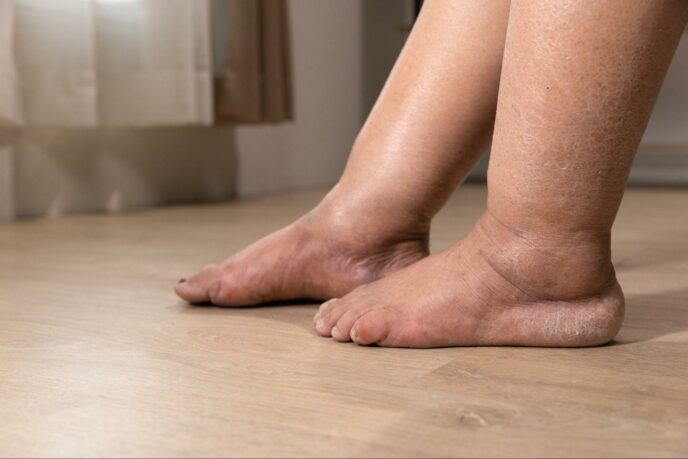
Poor circulation can show up in the skin. Your feet or legs might look unusually pale. You might see a bluish-purple tint instead. Sometimes, the skin looks red. Leg discoloration may become more noticeable when you raise or lower your legs and should not be ignored.
6. Hair Loss on the Legs and Feet
Hair on your legs and feet may become thinner or stop growing if the area isn’t getting enough blood flow. Because hair loss on the legs happens gradually, many people don’t notice the change until they start seeing other PAD symptoms.
7. Slow-Growing or Brittle Toenails
Toenails need an adequate blood supply for normal growth. Poor circulation may leave them growing much more slowly than before. Thickness is another change to watch for. The nails may also start breaking more easily. The changes may start with your toenails. Then you may notice other PAD symptoms elsewhere in the foot or leg.
8. Shiny, Tight Skin on the Legs
The skin on your lower legs can change as PAD progresses. A shiny appearance is common, and the skin may feel tighter than usual. While this change is often gradual, it can be another clue that your legs aren’t getting enough circulation.
9. Weak or Absent Pulse in the Feet
Your provider may check circulation by feeling for a pulse in your foot. Common spots are the top of the foot and behind the ankle. The pulse in your foot can become more difficult to find as blood flow drops. Sometimes, you can’t feel it at all.
10. Foot or Toe Pain at Rest
As PAD becomes more advanced, pain may occur even when you’re sitting or lying down. This often affects the toes or feet, especially at night. Pain at rest is different. It can signal a more serious circulation problem and needs prompt medical attention.
PAD Symptoms You Should Never Ignore
Some PAD symptoms shouldn’t wait. Foot pain can become concerning when it continues even at rest. A sore that refuses to heal deserves attention, too. Sudden coldness and pain in the foot may signal a serious drop in circulation. Without treatment, advanced PAD can lead to tissue damage and increase the risk of amputation.
Treatment can improve blood flow to your legs. It may also reduce PAD symptoms and lower the risk of complications.
Why PAD Symptoms Are Easy to Miss
It’s easy to dismiss leg pain when you’re getting older. Arthritis seems like a reasonable explanation, or maybe an existing back problem. PAD may never cross your mind.
People with diabetes may not notice pain because nerve damage from diabetic neuropathy can make it harder to feel pain in the feet and legs. Many people with PAD don’t have any symptoms at all. That’s why regular checkups are important if you have diabetes, a history of smoking, or other risk factors.
How Doctors Confirm It Is PAD
Angiogram
An angiogram uses contrast dye and X-ray imaging to show how blood is moving through the arteries in the legs. It can help pinpoint narrowed or blocked arteries that may be causing PAD symptoms.
Ankle-Brachial Index (ABI)
The ankle-brachial index (ABI) is a quick, minimally invasive test that compares blood pressure in the ankles with blood pressure in the arms. A lower reading in the legs can be a sign of reduced blood flow from PAD.
Computed Tomography Angiogram (CTA)
A computed tomography angiogram (CTA) combines X-ray imaging with contrast dye to create detailed images of blood vessels in the abdomen, pelvis, and legs. It can show where arteries have become narrowed or blocked.
Doppler Ultrasound
A Doppler ultrasound uses sound waves to look at the arteries and measure blood flow. It can reveal areas where a blockage or narrowing is interfering with circulation.
MR Angiography
MR angiography uses magnetic resonance imaging to create detailed views of the blood vessels and arteries without X-rays. The images can help identify abnormalities or areas of restricted blood flow.
Frequently Asked Questions
What are the early warning signs of PAD?
Pain starts when you walk, then eases when you stop. For some people, that’s the first noticeable sign of PAD. Coldness in the feet or changes in sensation may follow. Some people have very mild symptoms, while others have none at all.
What does PAD leg pain feel like?
PAD leg pain often hits when you’re moving. The calf may cramp or ache. The pain isn’t always in the calf. Sometimes it reaches the thigh or buttock. Your leg may start feeling tight or unusually tired. A few minutes off your feet brings relief.
Can you have PAD without symptoms?
Yes. Many people with PAD don’t notice any symptoms, especially in the early stages. That’s one reason why regular evaluation is important for people with diabetes, a history of smoking, or other risk factors.
What can PAD be mistaken for?
PAD is easy to mistake for something else. Leg pain may get blamed on arthritis or simply getting older. In people with diabetes, nerve damage from neuropathy can seem like the likely cause. The symptoms can look alike. Testing can show whether poor circulation is behind them.
Recognize These Symptoms? Get Your Legs Checked
If you’ve noticed any of these PAD symptoms, don’t wait. Get your legs checked now, not later. The earlier PAD is diagnosed, the more treatment options are available, so talk to your doctor if you have any of these symptoms. A quick, painless circulation exam can help determine whether PAD is causing your symptoms and what treatment options may help.
Concerned about changes in your legs or feet? Schedule an appointment at an American Endovascular & Amputation Prevention location in New York for an evaluation. Our affiliated vascular specialists can diagnose and detect peripheral artery disease, while offering treatment using minimally invasive procedures.
Related Blogs & Videos
Learn more about vascular health, prevention, and care for Peripheral Artery Disease.





Schedule an Appointment at your nearest American Endovascular affiliated center.